Key Highlights
- Rollout started 18 August 2026, the early hours of 19 August Australian time
- Third spam update of 2026, covering every language and region
- No new policies were announced, so this is enforcement of existing rules
- Doorway suburb pages and bulk-bought backlinks are the two biggest tradie exposures
- A spam update is not a core update, and mixing them up sends you fixing the wrong thing
Summarise with AI
Ask your preferred AI to summarise this article and how it applies to your trade business.
What Google Rolled Out on 18 August
Google confirmed the August 2026 spam update on Tuesday 18 August at around 9:27am Pacific, which was the early hours of Wednesday 19 August here. It went out as a short release note on the Search Status Dashboard. No blog post, no new policy, no explainer. That is normal, and it tells you something: Google did not change the rules, it got better at enforcing the ones already on the books.
Still rolling out at the time of writing
Google expected this one to take a few days. Rankings bounce around mid-rollout, so until it is marked complete on the Search Status Dashboard, treat any movement you see as provisional.
Spam Update or Core Update? The Difference Decides Your Next Move
Most tradies get this wrong and it costs them months. A core update reassesses how useful pages are, so honest sites drop without doing anything wrong. A spam update sharpens Google's detection of tactics that break its published policies. One is a moving bar. The other is enforcement.
Core update (May and March 2026)
- ✕Reassesses how useful your pages are overall
- ✕Nothing to remove, because nothing broke a rule
- ✕Recovery comes from genuinely better content
- ✕Honest sites drop in core updates all the time
Spam update (this one)
- Targets tactics that break Google's spam policies
- The fix is removing or replacing the tactic
- Recovery waits for Google to reprocess your site
- Never used a shortcut? You are almost certainly fine
Do not treat a core update drop as a spam problem
We see it constantly. A tradie drops, panics, deletes pages and disavows links that were never the issue. Six months later they have a thinner website and the same rankings.
The Spam Policies That Actually Catch Tradie Websites
Google publishes sixteen spam policies. Most have nothing to do with a plumber in Perth. Four of them describe things that get sold to tradies every week, usually by an agency promising fast results for a low monthly fee.
- 1
Doorway abuse
Pages built to catch a search rather than serve a customer. The classic version is 200 near-identical suburb pages where only the suburb name changes.
- 2
Scaled content abuse
Producing a pile of pages that add nothing for the reader, purely to rank for more terms. AI made this cheap and it made it much easier to spot.
- 3
Link spam
Bought links, private blog networks, bulk directory packages. If someone sold you a thousand backlinks for a couple of hundred dollars, this is the one.
- 4
Keyword stuffing
Cramming service and suburb combinations into footers and page copy until it stops reading like English. Still common on sites built a decade ago.
Fake Google reviews are a separate problem
Web spam updates deal with your website. Fake or incentivised reviews sit under the Google Business Profile policies, which run on their own enforcement system and can suspend your listing outright. Different rules, both worth taking seriously.
Suburb Pages: Where the Line Actually Sits
We build location pages for tradies, so we get the awkward version of this question a lot. If doorway abuse is a spam policy, are suburb pages against the rules? No. A roofer who genuinely works across fifteen suburbs is entitled to a page for each one. What Google objects to is a page that exists only to catch a search term.
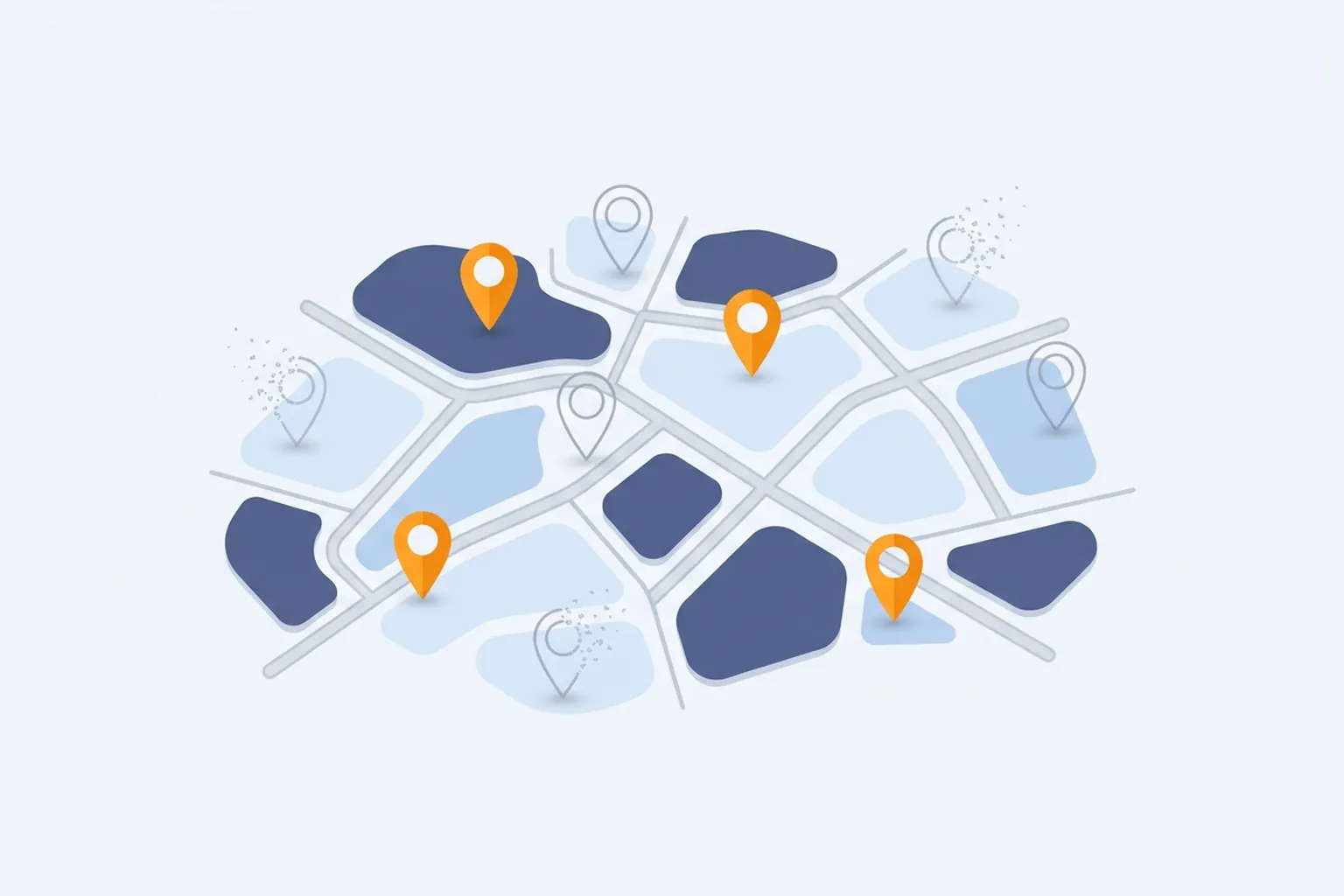
The test takes about ten seconds per page. Read it with the suburb name covered up. If you cannot tell which suburb it is about, Google cannot either, and it is a doorway page wearing a hi-vis vest.
A doorway page in disguise
- ✕Identical to twenty others with the suburb swapped
- ✕No photos, or the same stock photo site-wide
- ✕Copy that would apply to any town in Australia
- ✕Published in bulk, never updated since
A location page that earns its place
- Names real streets, estates or landmarks you service
- Talks about local conditions: limestone, clay soil, salt air
- Shows photos from jobs you have genuinely done there
- Reads differently to every other location page
Not sure which side of the line your site sits on
Our free ranking audit includes a plain-English read on your location pages, your backlink profile and whether anything is carrying spam risk.
What to Do This Week
Rankings are unstable mid-rollout. Change ten things this week and you will have no idea which one mattered once the dust settles. Diagnose first.
- 1Check the Manual Actions report in Search Console, under Security and Manual Actions. It takes thirty seconds and either rules out a penalty or hands you the answer.
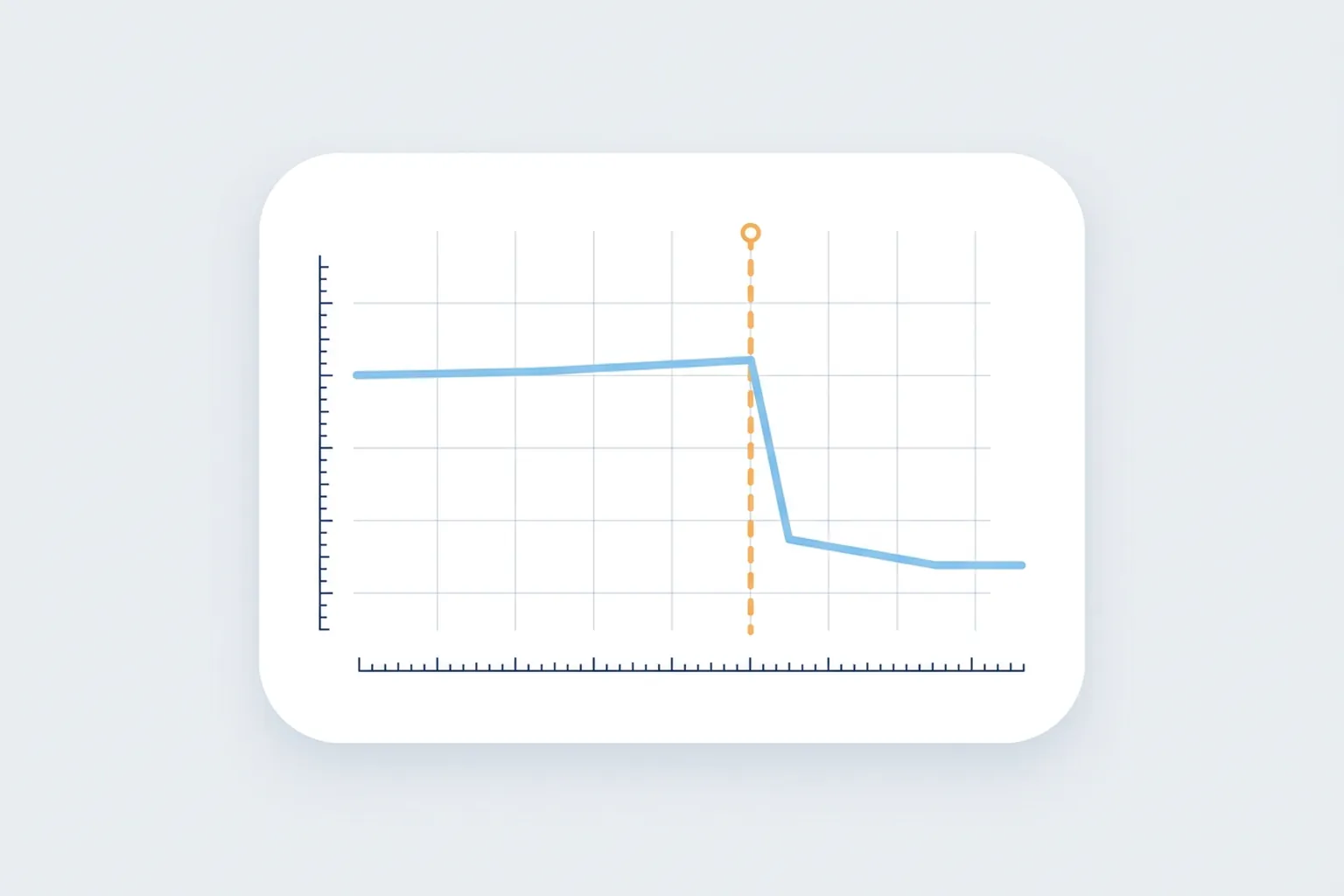
- 2Compare the seven days before 18 August with the days since. A drop that starts cleanly on the 18th points at the update.
- 3Check whether the losses sit on your suburb pages while service pages hold. That is a strong signal.
- 4See whether competitors moved too. If everyone dropped, it is the algorithm. If only you did, something on your site changed.
- Do not mass-delete pages in a panic.
- Do not fire off a disavow file because a tool flagged links as toxic. Disavowing good links does real damage.
- Do not sign up to whoever cold-calls you this week promising to fix your penalty.
If your rankings came from doing the work properly, a spam update is a good week for you. Everything above you that was cutting corners just got less stable.
Get a straight answer on where your site stands
We will check your site against Google's spam policies and tell you whether you have a problem or a quiet August.
Frequently Asked Questions
When did the Google August 2026 spam update start?+
Google began rolling out the August 2026 spam update on 18 August 2026 at approximately 9:27am Pacific time, which was the early hours of 19 August in Australia. Google expected it to take a few days and confirmed it applies to all languages and regions.
Will the August 2026 spam update affect my tradie website?+
Only if your site uses tactics that break Google's spam policies. The common exposures for trade businesses are mass-produced suburb pages, bulk-purchased backlinks and keyword stuffing. A site built on genuine service pages and earned reviews should not be affected.
What is the difference between a spam update and a core update?+
A spam update improves Google's ability to detect tactics that break its published spam policies, so it is an enforcement change. A core update reassesses how useful pages are overall, and honest sites can drop without doing anything wrong. The fix for each is different.
Are suburb pages against Google's spam policies?+
No. Location pages are legitimate when they describe work you genuinely do in that area. They cross into doorway abuse when they are near-identical copies with only the suburb name changed. Cover the suburb name and see whether you can still tell which area the page is about.
How do I know if I have a Google penalty?+
Check the Manual Actions report in Google Search Console, under Security and Manual Actions. A manual penalty appears there with an explanation. An algorithmic demotion from a spam update never appears anywhere, so you diagnose it by comparing your traffic against the rollout dates.
Should I disavow backlinks after a spam update?+
Almost never, and not as a first move. Google's own guidance is that most sites should not use the disavow tool at all. Only consider it if you have a manual action for unnatural links or you knowingly bought links you cannot get removed.
This article is part of the Definitive Guide to SEO for Tradies. Explore our tradie SEO services or book a free consultation.